Featured

Content Curation

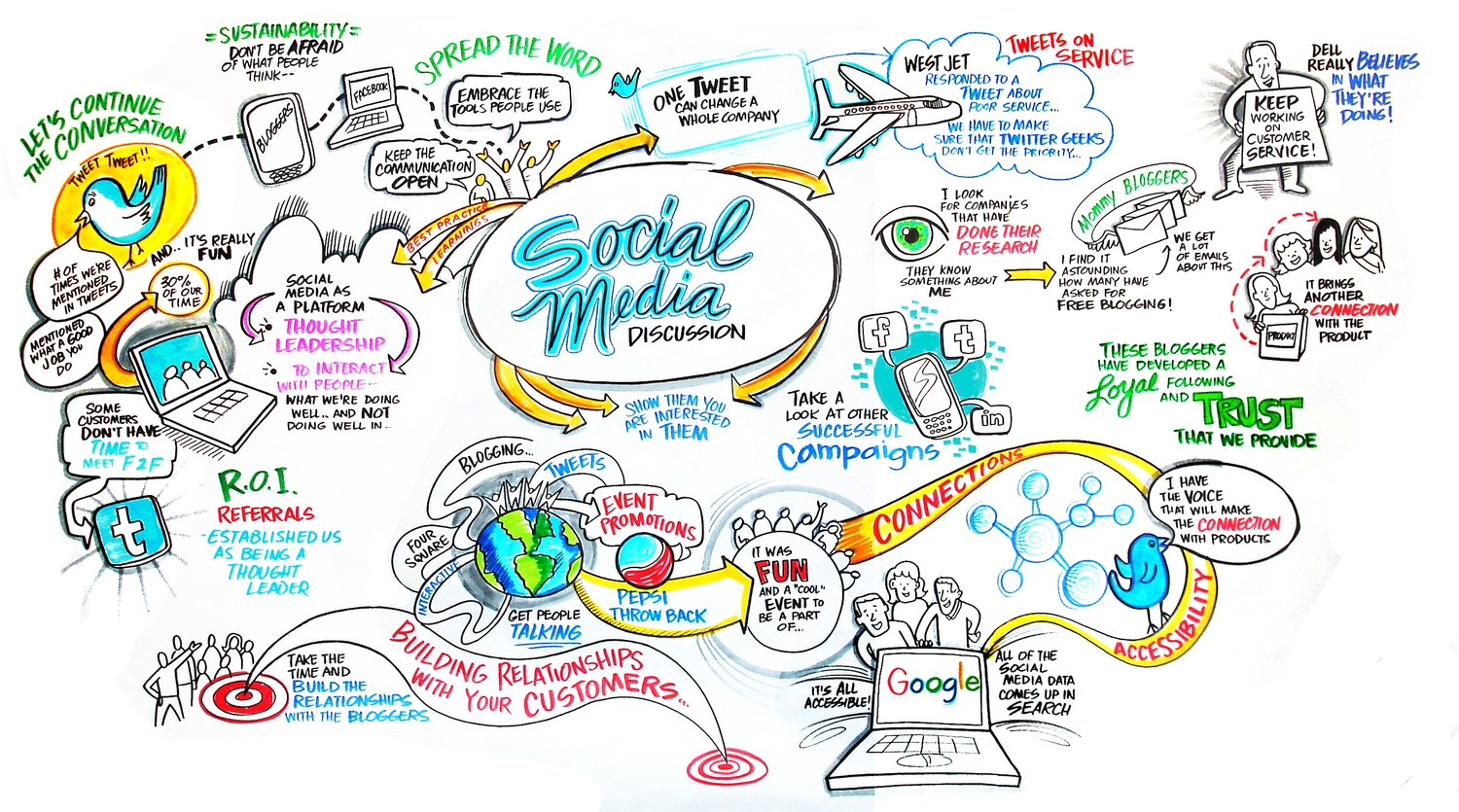
What is content curation? How can curated content on social media platforms be used as a tool in public relations and marketing? How do Twitter lists work as a curation tool? Read on to find out how content curation can be an effective tool to excel your profession.
Use content curation to help you connect to your followers and start a conversation with content you find relevant

If you are reading this, you either already know what content curation is or are wondering how you can professional use content curation to excel you in your career. Let’s start off with what is content curation? According to Hootsuite it is defined as “…adding your voice and value to a handpicked collection of content. It is gathered from a variety of sources, around a specific topic, that you publish and share with your fans, wherever they are,”. To put it into perspective, think of content curation as looking at all the interesting content across the Internet and you are only sharing the best news, articles, videos, photos, etc to your friends and family – and even comment and share your thoughts on the social media content! While you maybe are starting to realize that you do this unintentionally, keep reading to find out how to use content curation as an effective, professional tool!

Read more about what Hootsuite says about Content Curation: https://blog.hootsuite.com/beginners-guide-to-content-curation/

You’re the Expert

When you are curating content you want to make sure it always has the same theme to it. If you are a public relations professional you are going to want to make yourself look as professional as possible to potential clients. So, on all social media channels you want to make sure the content you share relates back to public relations or a related field. For example, publicists should share articles on LinkedIn to their followers to show they are informed about their field and want to learn more about it. Same goes for professionals in the marketing field.

Read more about what Mashable has to say about being an expert curator: https://mashable.com/2011/03/10/curation-journalism/#4E5iMrj1KkqQ

Grow Your Circle

Another big advantage of curating content to friends and family is that you could also expand your network! By sharing an article that relates to the public relations field you could possibly connect to other professionals in that field that find your article interesting too. You never know what kind of connections are out there so keep curating content that could attract others to join your circle!

Twitter Lists

Twitter can also be a huge help for curating content. Log onto Twitter and make a Twitter List. Twitter lists are feeds of all the people you want to hear from on any topic. This list allows you to share and respond to all your followers in an organized manner. An example of a list could be “Public Relations News” or “Tech News” and Twitter will display only the tweets from accounts that you put on that list. The great news is that Twitter allows you to create up to 1,000 lists, so you can really do a wide range of accounts that all talk about your specific topic.


Featured

Social Media Press Releases

Traditional media is becoming a thing of the past, and so is traditional press releases. The benefits of social media press releases allow readers to become more interactive with your client/company, increasing viewership, reaching a larger audience, and so on! If getting more eyes to your press release sounds right up your ally, keep reading!

Publicists should update the way they format and send their press releases. Traditional media is becoming a thing of the past, so publicists should update their press releases with enticing media and becoming aware of putting their press releases online to increase viewership.

Press releases used to be written solely between a publicist and an editor of a newspaper, as this was the main method of getting information out to the mass public. However, the invention of the Internet allowed the public to access information faster and cheaper. But, be wary when writing press releases online because it may be easier to make mistakes which can cause you to lose a crucial relationship with a journalist. So, keep reading to see the tips and tricks on how to navigate a social media press release!

Use Multimedia

Before the invention of the Internet, press releases used to be only text-based – meaning that whatever you wrote was the only thing on the paper. Publicists had to be extremely descriptive when describing a product or event because if they didn’t sell the promotion with words, journalists wouldn’t write about it. Now with social media press releases public relations specialists can include multimedia in their press release to capture an editor’s attention with videos, images and audio! PRWeb gave this tip I’d love to share to you because it’s so useful! Videos, images and audio can enhance your press release by capturing a journalist’s or mass audience attention much faster and easier! Think about it, don’t you like to watch or hear about news instead of reading it? Same goes for your press release! You should add pictures, video or audio of the event or promotion you are trying to sell to your audience into your social media press release to increase viewership.

Read more about using multimedia in your online press release on PRWeb: https://www.prnewsonline.com/Assets/OnlineNewsReleaseIN.pdf

Edit, Revise, Check!

I was reading an article on Inc.com and found this tip to be quite helpful! Even though social media has made it easier to reach journalists, not to mention less costly, publicists must review and edit all their work all the same – if not more. If you are consistently putting out sloppy press releases filled with spelling and grammatical errors, this makes you seem unprofessional and your releases will be uninteresting for journalists to read. If you keep repeating these mistakes, journalists won’t view you as a credible source when it comes to writing a news story. So, before putting out a press release, double check everything is spelled correctly, there are no grammatical errors, and all links to your multimedia works!

Here’s a journalist’s take on why it is so crucial for publicists to send near-perfect press release at Inc: https://www.inc.com/guides/2010/09/how-to-write-a-press-release.html

Make It Public

With press releases going online, this makes it much easier for more people to access your press releases! Traditional public relations specialists would send out press releases for mainstream media only. Currently, publicists are not only sending their press releases to journalists, they are also putting it on their client’s website! Another great tip I heard from PRWeb is to put your press releases online to make it visible to all audiences. PRWeb reported that 80 million people turn to the Internet for daily news, while there has been a decline in viewership and readership in newspapers and television. With this in mind, wouldn’t it be smarter for publicists to put their press releases online? This gives you and your client more accessibility to your audience. Not only can you reach a vaster audience, you can also quantify the number of people you are reaching. When you put your press release online you can also measure the results of the number of people reading it by SEO statistics and website traffic analysis. So next time you’re thinking of only sending your press release (that has no errors whatsoever!) to only a journalist, definitely make sure it is also on your client’s website to reach a bigger audience and larger viewership.

Read more data and statistics that are in favor of putting information press releases online: https://www.prnewsonline.com/Assets/OnlineNewsReleaseIN.pdf

Featured

Snapchat vs Instagram For Your Business

Figure out what is the difference and similarities between Snapchat and Instagram and how to use each social media platform to your company’s advantage!

Both Snapchat and Instagram are social media platforms that can enhance your business, but people tend to favor one over the other. Snapchat is a social media app where users are able to share videos and pictures on their “story” which is the user’s main feed that is visible by the user and all their followers. Originally Instagram was a platform to share pictures and videos on your profile page, but now they have added the feature Instagram Stories which is similar to Snapchat. Instagram stories lets users share moments of their day on their story feed and will not remain on their profile like a regular photo or video would. So now that we know the basic difference of the two social media dynamites, let’s take a deeper look into how each platform may better suite your company.

Snapchat

  • Tends to have a younger audience
  • Regularly used for a more creative company. Users on Snapchat can create their very own filters to be used with pictures or videos. For example, users can create their own geo-tag for an event if partnering with a PR firm to promote an event (a geo-tag is a tag that assigns a location to a photo or video).

Instagram

  • Tends to have an older audience
  • Regularly used to sell products for a company or to promote a company’s brand. Companies are starting to pay celebrities, or “influencers”, to post a picture of a product they want to sell to the public. For example, Sugar Bear Hair company has used celebrities and influencers such as Kylie Jenner and James Charles to promote hair vitamins which is now regularly seen on convenience store shelves.

One in the Same

While I have given you key ways each platform may be more useful than the other, don’t forget that they can be used simultaneously! Usually, the photos that are formatted to fit the screen of an Instagram story can also be formatted to fit the screen for a Snapchat to followers. If parts of the picture cannot be seen on Instagram, pinch the photo on the screen until it is small enough to fit on your Instagram Story. Users can upload photos from their camera roll right on their Snapchat story for all their followers to see!

Neil Patel (found here) has posted a great YouTube video explaining why he thinks Snapchat and Instagram should be used together – and I agree!

Both platforms can be used to upload the same pictures, or videos, to tell a consistent story. Consistent stories allow for your company to reach a larger audience while still allowing them to follow along with updates about your company.

Lastly, both platforms can have pictures and videos on their story feed without the pressure of getting like or comments on a post. Both social media apps allow for a company to let their followers see what they are doing as a company throughout the day (week, month, year, etc) without adding unnecessary fluff to their audience’s feed.

So if you can, add content to both social media apps. Both Snapchat and Instagram are useful to your company to allow for your audience to keep up with what’s going on with your business. While you may prefer one app over another because of the target audiences that tend to use the app, note that we are lucky enough to be living in a generation that posting to social media is just a click away!

Featured

Let’s Make Fake News, Fake News

Figure out what is fake news and how to weed it out from real news. How does fake news affect your part in the media and keep it from destroying credible content? Read on to find out!

I credit our president, Donald Trump, for giving credit to the term ‘fake news’. The phrase fake news has been around in the media for quite some time, but really started to pick up relevancy in the past few years. While it may seem as a irrelevant and harmless word, it can be dangerous to the public. Spreading false news can really damage reputations, people understanding the truth of topics and all around discrediting the media as a whole. So what is fake news and how do we combat this? Keep reading to find out!

Dictionary.com defines fake news as “false news stories created to be widely shared or distributed for the purpose of generating revenue, or discrediting a public figure, political movement, company, etc.”. Fake news is usually spread easily across social media because so many people have access to it and anyone can pretty much write whatever they want without citing accurate and fair sources. NPR interviewed Craig Silverman, the media editor for the website Buzzfeed, to see his take on fake news in the media world today (read the whole interview here). One reason this media editor believes that fake news is spread more quickly than actual news sites is because it resonates with people.

“There’s no question that they saw them [fake news stories] and they shared them or they commented on them and they liked them, and that created tremendous velocity on Facebook. And a lot of people saw them, and that’s a really surprising thing and it’s a distressing thing”

– Craig Silverman

If a story resonates with a large group of people they feel they are more emotionally attached to the story because of the drama element added to the story. Fake news likes to pick sides of a story and give the story a subjective spin and not give the objective facts. But there is a silver lining – if you’re reading this because you work in the media and you want to see how you can help stop the spread of false news, Silverman has some good advice.

Silverman describes false news as having two factors: the human factor and the algorithmic factor. One of my previous posts talks about beating online algorithms (found here). The human factor is people like to hear what most pleases them. People want to hear what they believe and want to believe everything that agrees with their point of view is correct. To help correct this we as a whole we, as an online community, have to start realizing that maybe our parents are right – don’t believe everything on the Internet (and don’t forget to remind them of this as well!). So don’t forget to bring your judgement to everything you read and try to see what is this article’s sources and who do they cite? Are there other articles from credible sources or main media outlets that also state this story? If not, try to let people know in the comment section on social media platforms they should be aware of what they’re reading may not be true! While people may create fake news, we also can be the source of ending fake news too.

Featured

Morgan’s Declassified: Social Media Algorithm Survival Guide

Figure out what is a social media algorithm and use it to your ability. How does the social media algorithm affect your response rate and eyes on your page? Read on to find out!

For Instagram’s algorithm users will see posts tailored to them by the posts they like plus the amount of time spent on each profile page plus users you follow

In 2020, almost everyone you know is on social media. Over time people have started to realize that certain things show up on their timeline in a very specific pattern and it’s customized to what they tend to like, post, or read about online. And this type of algorithm is great for advertisers and companies because they know what to show their consumers and how to get them enticed to be more likely to buy products when they see them on their timeline. However, for people like you and me, social media algorithms can be a tricky because even if we write great content for our readers, our content won’t necessarily be shown to all of our followers. Keep reading to find out about why you need to pay attention to social media algorithms to make sure your content is being read!

Algorithm? Is This Math Class?

So, what is a social media algorithm? (Forge and Smith) put it best when they defined it as…

“Social media giants like Facebook, Twitter, Instagram, and Pinterest use algorithms that are clearly defined and calculated repeatable processes that attempt to predict what their users enjoy and want to see more often, based on how they engage with similar content within their platform”

This means that everything you do on social media is analyzed and put into a algorithm to use as a result to see what you and your followers are going to see in the future. Social media algorithms analyze what have you clicked on when you were browsing the Internet, what posts you have liked, what posts you scrolled past, what posts you comment on, and so on.

But what if you and I want to see everything on social media platforms unfiltered? How do we get our followers to read our content even though it’s not within their social media algorithm? Well, do I have some good news for you. Here are some tips from Forge and Smith that I found to be most helpful…

Only Share Content That Is Relevant

If you only share applicable content to your followers, the more likely they’re going to see it. Don’t just post your personal likes and inner thoughts on your professional pages because this will lessen the chance readers will be enticed to read your content.  

Make Sure Your Blog’s Website Pages Are Optimized

All of your website’s pages should be optimized to make sure that the page is uploaded as quickly as possible and images are shown instantly. If both of these aren’t working, then readers will click off your web page just as fast as they clicked on it. People’s attention spans can only last so long!

Use Hashtag Strategies

Sometimes social media platforms don’t know what you’re sharing just by a picture, they’ll know by the words you use with the picture! Using relevant hashtags to your photos can help broaden the appropriate audience you want!

Featured

Twitter: Friend or Enemy?

If you are in the public relations field, you probably already heard of how invaluable social media can be – especially Twitter. Twitter has been hyped up to professionals be the PR fantasy, able to connect your client to a vast audience with fun videos, GIFS, etc. With all of the excitement and promises of Twitter expanding your client to more audiences and building people’s connections, it seems that maybe some professionals do not know what they’re getting into – so Twitter ends up being their enemy, not their friend. Today I wanted to write about the good, the bad and the ugly that is Twitter for public relations experts.

Twitter can help professionals with announcements, research and networking if used correctly. If your client wants to get the word out about a new product, event, or an award Twitter is a tool to use that can instantly gives updates to your consumers. Also, professionals use Twitter to figure out who are your competitors and what they’re doing in comparison to your tactics. Lastly, Twitter can be used to find and connect with a larger audience then ever thought possible. Use those hashtags to see what other people are tweeting about in relation to your content and try to connect with them if it’ll be useful – no harm, no foul in networking.

On the other hand, Twitter can hurt your client and your reputation in the process. PR experts are always on the hunt for journalists and sometimes Twitter is not the best way to do this. I found on (this website) Jason Feifer, the Senior Editor of Fast Company, gave his solid answer of why public relations professionals should not contact journalists on Twitter:

 “No, no, never. I absolutely hate when PR people pitch me on Twitter… These are social places; they’re not appropriate places for pitches,”

Before you go right on ahead and message those journalists about your client’s new event or product, think before you Tweet. I suggest making a gradual connection with journalists on social media platforms. If it seems forced, most likely you’ll ruin your relationship with that journalist.

So, my opinion? Go for it if you know how to use it. Social media can be tricky in the way that it’s instant. You can instantly connect with a larger audience, network with other PR professionals, and figure out what your competitors are doing and understand how you can do it even better! However, if you make a mistake, that could instantly harm your client’s reputation along with yours. As our parents have always warned us – we can use social media, but be cautious!

Featured

Recruitment Weekend at Seton Hall

Instagram – @cpcshu

There was something different about this time of the year at Seton Hall, and all of SHU’s Greek Life knows it. All across campus there were underclassmen everywhere wondering – where is my new home going to be? Starting on January 31 – Feb 3 all social fraternities and sororities were recruiting underclassmen to become apart of their organization. I made an Instagram poll (@morgans.moments.shu) to see what my followers were most likely to read and what my followers say, I listen! So keep reading to hear from sororities here on campus to see the excitement leading up to this weekend and why you should Go Greek here at Seton Hall.

This year had over 350 underclassmen sign up to be apart of Recruitment Weekend. This meant they signed up for the next 3 days to figure out more about each sorority and on the 4th day they would receive a bid to their forever home. PNM’s go through Round 1 on Friday to find out more about each sorority and see where they feel a connection to a sorority. Round 2, on Saturday, is all about philanthropy. The sororities tell PNM’s during the 2nd round all about which philanthropies are in connection to the sorority and what they do on campus to promote these philanthropies. Round 3, on Sunday, is each sororities preference round. This day is the last day for sororities to show PNM’s how special their organization means to them and for PNM’s to make a decision on where their forever home will be. Monday is Bid Day where PNM’s are officially given a bid to their new organization. Something special here at Seton Hall is that every single underclassmen going through recruitment will be given a bid to a sorority, other schools will not do this.

Delta Phi Epsilon’s president, Katie Marcinczyk, was extremely excited going into Recruitment weekend. She remembers being on the fence on whether she should go out for recruitment or not and she wants to give underclassmen in the same position this advice: “Take a leap of faith and go out for recruitment. Deciding to become a sorority woman was one of the best decisions I’ve ever made and I have learned and gown in so many more ways than imaginable here at Seton Hall,”

Instagram – @katiemarcinczyk

During Recruitment Weekend sisters from each organization have Rho Gams give up their letters to help underclassmen find theirs. This means that sisters of a sorority temporarily disaffiliate so they can be unbiased and help PNM’s find their home. CPC President, Rebecca Rutherford, shared on her opinion of why she decided to be apart of CPC and about the recruitment process saying, “I remember being super nervous going through recruitment weekend as a freshmen and I just want all PNM’s to feel confident going into the weekend knowing they have a friend from CPC on their side,”

This weekend over 200 underclassmen found their homes in either Delta Phi Epsilon, Alpha Phi, Alpha Gamma Delta, Alpha Omicron Pi, Zeta Tau Alpha or Alpha Sigma Tau. I hope every single person is excited to see the positive aspects a sorority can bring to their life and know that this will be the next best years of their life! And remember here at Seton Hall, no matter the letter we’re all Greek together!

Instagram – @dphie_shu

Some phrases you may have heard and don’t know just yet….

Bid – A bid is a formal invitation to join a sorority

PNM – Potential New Member, an underclassman who is interested in becoming a new member of a sorority

Recruitment – Sorority recruitment or rush is a process in which university undergraduate women join a sorority. It is a procedure that includes a number of themed rounds in which different events are included

Social Sororities here at Seton Hall – Delta Phi Epsilon, Alpha Phi, Alpha Gamma Delta, Zeta Tau Alpha, Alpha Omicron Pi and Alpha Sigma Tau

Social Sorority/Fraternity – Social or general fraternities and sororities are those that do not promote a particular profession (as professional fraternities are) or discipline (such as service fraternities and sororities)

Philanthropy – The desire to promote the welfare of others, expressed especially by the generous donation of money to good causes

Rounds – Parties during sorority recruitment that are scheduled times when you will visit sorority’s rooms to learn more about them

Sister – Official member of a sorority

Rho Gamma – The name of student counselors during the sorority recruitment process (Recruitment Guides). They are selected from each of the sororities and are anonymous during the entire process. They help counsel PNM’s and lead them from round to round each day

CPC – The College Panhellenic Council is responsible for setting all policies and regulations that concern our sorority community

Featured

Blogging the Days Away

Blogging is something that everybody knows about and does, even if they don’t realize it. People are always writing about their day, their experiences, their likes and dislikes to all of their followers on social media. People have noticed how blogging can help them connect to one another, and this is why more and more individuals have decided to become part of the blogging community, whether professional or personally.

This week we were given readings that gave tips to ordinary people how to make their blog bigger and better. I thoroughly enjoyed this because I like to see how I can connect with my audience on topics that we mutually enjoy and want to discuss with one another. One of the tips I most enjoyed was to create authentic relationships with other bloggers. For instance, if I really enjoy finding the best restaurants in NYC (that aren’t tourist traps) I know that I can find other bloggers who enjoy the same thing. Even just looking at one another’s page makes it seem less like a chore and more like a hobby. Bloggers should feel encouraged to reach out to one another and let them know that they’re doing great and they should connect outside of their blogs. Perhaps this could be following each other on social media or start an email chain. By making authentic relationships with other bloggers who share the same passion as you do, you start to create a niche of people which could show you a whole new community outside of just your perspective.

Outside of personal blogging for my own interests, I know that blogging can be used to build a professional brand. One may want to start professional blogging because this is a way for their consumers to read about the company on their favorite social media platforms they visit every day. It’s no secret that most target audiences who have buying power are already on the biggest platforms such as Twitter, Facebook, Instagram, etc. So, if companies want to start blogging and reaching a new target audience they can start tweeting or posting to these platforms about their blog, which I think is a great idea. Having a popular and trusted blog helps companies show off the best aspects of their brand and can build trust between the business and their consumer – not to mention a great reputation online as well. Read more about professional blogging here!

Whether you want to start a blog for your own personal reasons or are looking to start establishing professional connections online, blogging always seems like the way to go. Blogging can help enhance one’s social presence online and define a familiar and reliable brand. Once you create that to your audience, you’ll start to see all the beneficial factors blogging can bring to your life.

Featured

Social Media is Changing Journalism and PR

Image result for FUTURE OF PR


Within these three articles, I think it is safe to say social media and our modern technology has drastically changed the public relations industry. Social media is modern technology that allows people to share content and interact with people online

A way social media has evolved traditional public relations and the journalism fields is how it has changed the way these fields interact. Journalists are constantly looking for stories to write and PR experts are always looking to journalists to help them get their client’s news out to a vast audience. Social media now allows for journalists to find stories online, instead of traditionally going to the PR spokesperson. However, this also means that PR experts know that with every online story in the wake of “fake news” the journalists are going to have to still reach out to PR experts to get a verified and official statement from the company.

Social media has changed our daily lives and the way we consume information because social media allows any information to be received by the public in an instant. News consumers typically look more towards social media to get their news coverage rather than traditional newspapers, as newspapers used to be the only way citizens got their information from companies, government, advertising, etc. Now that social media platforms are free and instantaneous, people are more inclined to use social media to find news coverage for free and be able to spread the information with friends and family whenever and however they want.

As social media continues to evolve, journalists and PR professionals need to understand that they need to keep to up to date and freshen their skills over social media because it is not going anywhere. All entertainment and news information is transitioning to digital and only will keep evolving how people receive it. To be able to still engage with their publics, both journalists and PR experts should keep in mind how their publics will be able to view their story or clients online.

Social Media Press Release

* DISCLAIMER* This press release is not real and is not to be used elsewhere or spread. This is a homework assignment for a social media class at Seton Hall University. Names and dates have changed for privacy reasons.

For Immediate Release

Contact: Morgan Tirpak, Public Relations Coordinator

E-mail: info@lightofpr.com

Phone: (212) 325-7899

Website: http://www.lightofpr.com

   Light of PR Hosts Conference in Brooklyn to Celebrate Women’s History Month 

Gold Women’s Business Connect Conference sheds light on Power, Politics and Business covering topics like Sales, Crisis Management, Financial Wellness, and Activism in Today’s Market

New York, N.Y. – Women of today need to recognize and celebrate their achievements, whether big or small, but also look for ways to learn and grow.  Shianne Reimer knows first hand what it means to be a woman running a business and the trial and tribulations that come with it. In honor of Women’s History Month, the 2020 Business Connect Conference – NY will feature powerful information from panels of experts. The panel experts will enlighten, empower, and educate on today’s important topics for professional business women! An expected 40 – 50 attendees will walk away with new knowledge, tools, and resources that can be applied right away and meet new contacts to add to their networks and improve their bottom line. The Business Connect Conference will be held on

  • Friday, April 10th, 2020 from 8:30 am – 12:00 pm
  • At Berkeley College, 256 Duffield St, 8th Floor, Brooklyn, NY 11201. 

The Business Connect Conference will shed light on power, politics and business with a spectacular panel of experts covering a variety of topics.  Adrian Miller of Adrian Miller Sales will cover sales for your business, New York District Leader Cordell Cleare will share tips on local activism and advocacy, Financial Speaker Felicia Gomes-Gregory will share tips on financial wellness while actress and comedian, Pat Ceasar serves as the emcee.  Shianne Reimer will be hosting and speaking on the panel on crisis and reputation management. 

At the conference, attendees can enjoy fun speed networking activities, vendors and information tables, a delicious breakfast provided by Bliss in the Kitchen, prize drawings and more! Our wonderful partners and vendors for the event include:

  • Berkeley College
  • The K District
  • Citi Habitat
  • The New York State Veteran’s Chamber
  • Bliss in the Kitchen
  • Design Remix

Shianne Reimer, Co-Founder of Light of PR, said, “I’m so thrilled that this year for the first time to offer a Conference with a panel of experts who will not only enlighten our attendees on the importance of Sales, Finance, Crisis Management, but also about how critical Activism and Advocacy is in our local communities.  These are important topics for all professionals and business owners

For more information, visit www.lightofpr.com and click on the calendar to register. 

#####

SEARCHING FOR YOUR BLOG

When you own a blog, whether for your own passion or for a client, you need to know about SEO to help get traffic to your website. SEO stands for search engine optimization and it’s a crucial part to understanding how to get eyes and ears to your online content. SEO is the process of getting people from the “free” search results on search engines such as Google or Bing to your website directly.

Google or Bing are the search engines that help people find topics they’re searching for on the internet. For people like you and me who own a blog, these search results matter. If your blog has a higher ranking than others, Google and Bing will help more people find your blog. For example, if you and I both had food blogs, but I had a better ranking through search engine results (if Google had my web page show up before yours) naturally more readers would come to my page. I’m here to give you advice on how to help you optimize your SEO and get your page to be more noticeable to your audience.

Let’s keep on the food example track and say that SEO has a list of “ingredients” that are crucial for successful strategies for your online blog. These ingredients include looking at keywords. Your keyword popularity is to help determine the top words that your target audience is searching for. Simply put, you’ll need to research what keywords your readers are typing into Google, and how they search for what they want. Also, titles, links, words in links and reputation all matter as well.

Once you put yourself in the shoes of your audience and figure out what they are searching for and integrate those key words into your blog, you’ll be sure to find more eyes on your page.

I found (this blog) to be extremely helpful when understanding what SEO is and how I can get a larger audience to my blog (perhaps you were searching for something and that is how you found my blog!).

Another blog I found to be beneficial for bloggers is (this website) which helps give tips on how to successfully figure out your unique SEO keyword research and expand on it. One tip is to use the search engine, Google, itself! Google has a free device named (Google Keyword Planner) that allows content creators to get multiple keyword ideas. Users write keyword phrases into the Planner that they know their audience is already looking for and Google will suggest other related keyword phrases.

I hope this blog helped you understand why SEO is so important to your online content and if you know of any other tips or tricks, please feel free to write to me – I love to hear from my followers!

Social Media in JO and PR

Class Blog for COJR 3422

Morgan's Moment

This is a blog for COJR 3422 at Seton Hall University

Design a site like this with WordPress.com
Get started