Figure out what is fake news and how to weed it out from real news. How does fake news affect your part in the media and keep it from destroying credible content? Read on to find out!
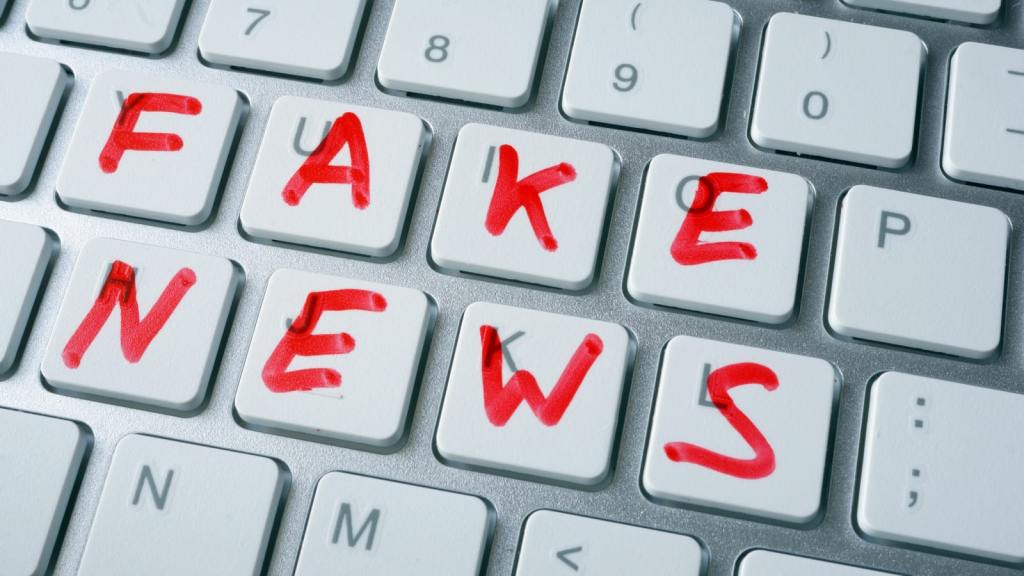
I credit our president, Donald Trump, for giving credit to the term ‘fake news’. The phrase fake news has been around in the media for quite some time, but really started to pick up relevancy in the past few years. While it may seem as a irrelevant and harmless word, it can be dangerous to the public. Spreading false news can really damage reputations, people understanding the truth of topics and all around discrediting the media as a whole. So what is fake news and how do we combat this? Keep reading to find out!
Dictionary.com defines fake news as “false news stories created to be widely shared or distributed for the purpose of generating revenue, or discrediting a public figure, political movement, company, etc.”. Fake news is usually spread easily across social media because so many people have access to it and anyone can pretty much write whatever they want without citing accurate and fair sources. NPR interviewed Craig Silverman, the media editor for the website Buzzfeed, to see his take on fake news in the media world today (read the whole interview here). One reason this media editor believes that fake news is spread more quickly than actual news sites is because it resonates with people.
“There’s no question that they saw them [fake news stories] and they shared them or they commented on them and they liked them, and that created tremendous velocity on Facebook. And a lot of people saw them, and that’s a really surprising thing and it’s a distressing thing”
– Craig Silverman
If a story resonates with a large group of people they feel they are more emotionally attached to the story because of the drama element added to the story. Fake news likes to pick sides of a story and give the story a subjective spin and not give the objective facts. But there is a silver lining – if you’re reading this because you work in the media and you want to see how you can help stop the spread of false news, Silverman has some good advice.
Silverman describes false news as having two factors: the human factor and the algorithmic factor. One of my previous posts talks about beating online algorithms (found here). The human factor is people like to hear what most pleases them. People want to hear what they believe and want to believe everything that agrees with their point of view is correct. To help correct this we as a whole we, as an online community, have to start realizing that maybe our parents are right – don’t believe everything on the Internet (and don’t forget to remind them of this as well!). So don’t forget to bring your judgement to everything you read and try to see what is this article’s sources and who do they cite? Are there other articles from credible sources or main media outlets that also state this story? If not, try to let people know in the comment section on social media platforms they should be aware of what they’re reading may not be true! While people may create fake news, we also can be the source of ending fake news too.
 Morgan's Moment